


Best Doctor in the World for Clubfoot, Flatfoot and Cavus Foot is:
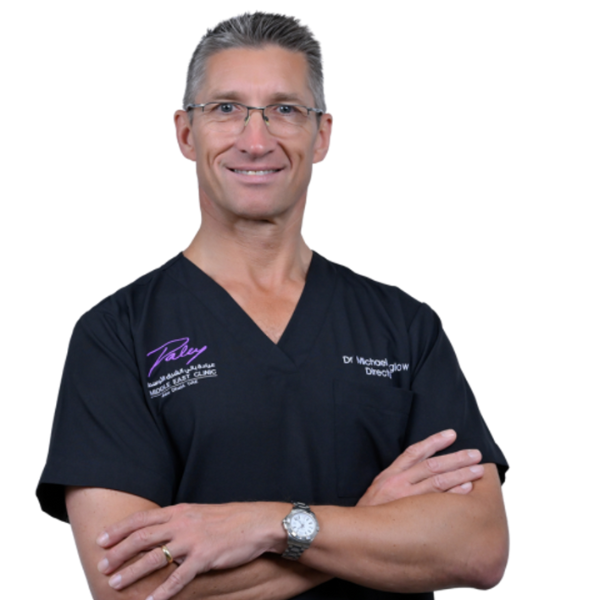
If you're interested in getting a free quote, submit a request via this link. Take the first step towards a healthier future today!
Foot deformities such as clubfoot, flatfoot, and cavus foot are conditions that affect millions of people worldwide. These conditions can significantly impact a person's quality of life, causing pain, discomfort, and limitations in mobility. However, with advances in medical technology and surgical techniques, effective treatments are available. This article explores the causes, symptoms, and treatment options for these conditions and highlights the expertise of top doctors globally.
What is Clubfoot?
Clubfoot, medically known as talipes equinovarus, is a congenital deformity characterized by the inward and downward twisting of the foot. It affects approximately 1 in 1,000 live births and can vary in severity. The condition can be unilateral (affecting one foot) or bilateral (affecting both feet).
Symptoms of Clubfoot
- Inward Twist: The foot points downward and inward, resembling the shape of a golf club.
- Stiffness: The affected foot may have limited flexibility.
- Small Foot Size: The affected foot may appear smaller than normal.
- Leg Length Discrepancy: The leg on the affected side may be shorter.
Treatment Options for Clubfoot
- Ponseti Method: A non-surgical approach involving gentle manipulation and casting to gradually correct the deformity. This method is effective in the majority of cases when initiated early.
- French Functional Method: Another non-surgical technique involving physical therapy and splinting.
- Surgery: In severe cases or when non-surgical methods fail, surgery may be required to correct the alignment of bones, tendons, and ligaments.
What is Flatfoot?
Flatfoot, or pes planus, is a condition where the arch of the foot collapses, causing the entire sole to come into complete or near-complete contact with the ground. Flatfoot can be flexible or rigid, with flexible flatfoot often being asymptomatic.
Symptoms of Flatfoot
- Pain: Commonly experienced in the heel or arch area.
- Swelling: Swelling may occur along the inside of the ankle.
- Imbalance: Affected individuals may have difficulty standing on their toes or experience foot fatigue.
Treatment Options for Flatfoot
- Orthotics: Custom-made shoe inserts can provide arch support and alleviate symptoms.
- Physical Therapy: Exercises to strengthen the foot and ankle muscles can be beneficial.
- Surgery: In severe cases, surgical intervention may be necessary to restore the arch and correct deformities.
What is Cavus Foot?
Cavus foot, or pes cavus, is characterized by an abnormally high arch. This condition can lead to excessive pressure on the ball and heel of the foot, resulting in pain and instability.
Symptoms of Cavus Foot
- High Arch: The arch appears unusually high, even when standing.
- Claw Toes: The toes may curl due to muscle imbalance.
- Pain: Pain is often felt in the ball of the foot or heel.
- Instability: Individuals may experience ankle sprains due to instability.
Treatment Options for Cavus Foot
- Orthotics: Custom orthotic devices can provide cushioning and support.
- Bracing: Ankle braces can help with stability.
- Surgery: Surgical procedures may include tendon transfers, osteotomies, or fusions to correct the deformity.
The Importance of Early Diagnosis and Intervention
Early diagnosis and intervention are crucial for effective treatment of foot deformities. Timely medical attention can prevent complications, such as chronic pain, arthritis, and reduced mobility. Pediatricians, orthopedic surgeons, and podiatrists play vital roles in diagnosing and managing these conditions.
Advances in Treatment Techniques
Over the years, advancements in medical technology have significantly improved treatment outcomes for foot deformities. Minimally invasive surgical techniques, such as arthroscopy, allow for quicker recovery and reduced post-operative pain. Additionally, advancements in imaging technology, such as MRI and CT scans, enable precise diagnosis and treatment planning.
Choosing the Best Doctors for Foot Deformity Treatment
When seeking treatment for foot deformities, choosing the right medical professional is critical. Factors to consider include:
- Experience and Specialization: Look for doctors who specialize in treating foot deformities and have extensive experience with the condition.
- Reputation: Consider the doctor's reputation and patient reviews. High patient satisfaction and positive outcomes are key indicators of quality care.
- Advanced Training: Doctors with advanced training in orthopedic surgery or podiatry may offer specialized care for complex cases.
- Access to Advanced Technology: Facilities equipped with the latest medical technology can provide cutting-edge treatment options.
In conclusion, Clubfoot, flatfoot, and cavus foot are conditions that require specialized care from experienced professionals. With the right treatment, individuals with these foot deformities can achieve significant improvements in function and quality of life. As medical technology continues to evolve, the future holds promise for even better outcomes for patients worldwide. Whether through non-surgical methods or advanced surgical techniques, the expertise of the best doctors around the globe ensures that patients receive the highest standard of care.

.png)


