


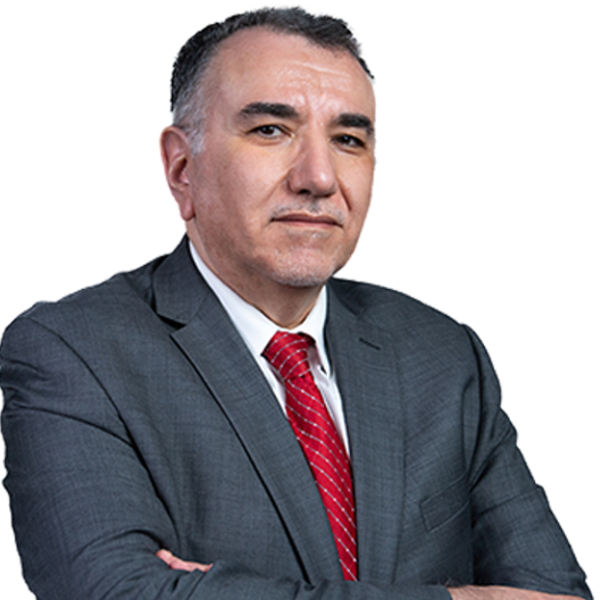
Best Doctor in the World for Platelets and Bleeding Disorders is:
If you're interested in getting a free quote, submit a request via this link. Take the first step towards a healthier future today!
Platelets, also known as thrombocytes, are a type of blood cell crucial for blood clotting. They play a vital role in stopping bleeding by clumping and forming plugs in blood vessel injuries. When there's a deficiency or dysfunction in platelets, it can lead to bleeding disorders, making it challenging for the body to control bleeding.
Types of Bleeding Disorders
- Thrombocytopenia: This condition involves a lower-than-normal number of platelets in the blood, leading to increased bleeding and bruising risks.
- Hemophilia: A genetic disorder where blood doesn't clot properly due to the absence or low levels of certain clotting factors.
- Von Willebrand Disease: The most common inherited bleeding disorder, characterized by a deficiency in von Willebrand factor, a protein that helps platelets stick together and form clots.
- Platelet Function Disorders: These are rare conditions where platelets do not function properly, even if the count is normal, leading to bleeding issues.
Symptoms of Platelet and Bleeding Disorders
Symptoms of platelet and bleeding disorders can vary depending on the specific condition but often include:
- Easy or excessive bruising
- Frequent nosebleeds
- Prolonged bleeding from cuts or injuries
- Heavy menstrual bleeding
- Blood in urine or stool
- Unexplained and excessive bleeding after surgery or dental work
Diagnosing Platelet and Bleeding Disorders
Diagnosis of these conditions typically involves a thorough medical history review, physical examination, and various laboratory tests. Key diagnostic procedures may include:
- Complete Blood Count (CBC): Measures the number of red blood cells, white blood cells, and platelets.
- Coagulation Tests: Evaluate the blood's ability to clot and include tests like prothrombin time (PT), activated partial thromboplastin time (aPTT), and bleeding time.
- Platelet Function Tests: Assess how well platelets are working to help stop bleeding.
- Genetic Testing: Identifies mutations or deficiencies in specific genes related to bleeding disorders.
Advanced Treatments and Therapies
The treatment for platelet and bleeding disorders depends on the type and severity of the condition. It often involves a combination of medical management, lifestyle modifications, and sometimes surgical interventions.
Medications
- Desmopressin (DDAVP): Used in mild cases of hemophilia and von Willebrand disease, this synthetic hormone helps release stored clotting factors.
- Antifibrinolytic Agents: These drugs prevent the breakdown of blood clots and are useful in managing bleeding episodes.
- Clotting Factor Concentrates: For hemophilia and other clotting factor deficiencies, patients may require regular infusions of clotting factors.
- Platelet Transfusions: In cases of severe thrombocytopenia, platelet transfusions may be necessary to increase the platelet count.
Lifestyle and Home Care
Patients with bleeding disorders are often advised to:
- Avoid contact sports and activities that increase the risk of injury.
- Use soft toothbrushes and avoid dental floss to prevent gum bleeding.
- Be cautious with medications like aspirin and NSAIDs, which can exacerbate bleeding.
- Wear medical alert bracelets to inform healthcare providers of their condition in emergencies.
Cutting-Edge Therapies
- Gene Therapy: An emerging treatment that aims to correct genetic defects causing bleeding disorders, potentially providing a long-term solution.
- CRISPR and Gene Editing: Advanced techniques that offer the possibility of permanently correcting genetic abnormalities in the patient's DNA.
- Biologics and Monoclonal Antibodies: These are being developed to target specific pathways involved in clotting and bleeding, offering more precise treatment options.
Choosing the Right Care
Selecting the right healthcare provider is crucial for managing platelet and bleeding disorders. While the article cannot mention specific doctors or hospitals, it is essential to consider a few key factors:
- Expertise: Look for doctors with specialized training and experience in hematology and bleeding disorders.
- Multidisciplinary Team: A comprehensive care team, including hematologists, genetic counselors, and specialized nurses, can provide more holistic care.
- Access to Advanced Treatments: Consider facilities that offer the latest therapies and participate in clinical trials.
- Patient Support and Education: Good providers offer robust patient education resources and support groups to help patients and their families manage the condition.
In conclusion, Platelet and bleeding disorders are complex conditions that require specialized care and management. While the best doctors worldwide continue to advance the field, understanding the basics of these disorders, available treatments, and how to choose the right care can empower patients and their families. With ongoing research and innovation, the future holds promise for more effective and personalized treatments, offering hope to those affected by these challenging conditions.

.png)


