


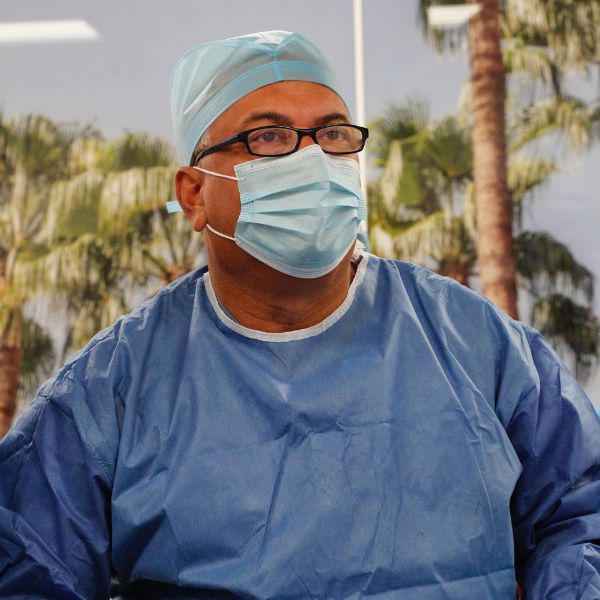
Best Doctor in the World for Thyroid Surgery (Benign and Malignant) is:
If you're interested in getting a free quote, submit a request via this link. Take the first step towards a healthier future today!
Thyroid surgery is a specialized field that addresses conditions affecting the thyroid gland, a small yet crucial organ located at the base of the neck. This gland plays a vital role in regulating metabolism, heart rate, and body temperature. Thyroid surgery can treat various conditions, both benign and malignant, and requires a high level of expertise due to the gland's proximity to essential structures such as the vocal cords and parathyroid glands. This article delves into the intricacies of thyroid surgery, highlighting the conditions it treats, symptoms indicating the need for surgery, types of surgical procedures, and recovery aspects.
Understanding Thyroid Conditions
Benign Thyroid Conditions:
Benign conditions include thyroid nodules, goiter, and hyperthyroidism. Thyroid nodules are lumps within the thyroid that are usually non-cancerous but may require removal if they cause symptoms or grow significantly. Goiter, an enlargement of the thyroid gland, can occur due to iodine deficiency or autoimmune diseases like Hashimoto's thyroiditis. Hyperthyroidism, characterized by excessive thyroid hormone production, can result from conditions like Graves' disease.
Malignant Thyroid Conditions:
Thyroid cancer, though relatively rare, is a critical concern. The most common types include papillary, follicular, medullary, and anaplastic thyroid cancers. Papillary and follicular thyroid cancers are generally slow-growing and have high survival rates when detected early. Medullary thyroid cancer can be sporadic or familial, while anaplastic thyroid cancer is aggressive and challenging to treat.
Symptoms Indicating the Need for Thyroid Surgery
Patients may experience various symptoms depending on the nature of their thyroid condition. Common symptoms include:
- Swelling in the Neck: An enlarged thyroid or nodule may cause visible swelling.
- Difficulty Swallowing or Breathing: Large goiters or nodules can compress the esophagus or trachea.
- Hoarseness or Voice Changes: The recurrent laryngeal nerve, which controls the vocal cords, can be affected by thyroid growths.
- Unexplained Weight Changes: Hyperthyroidism may cause weight loss, while hypothyroidism can lead to weight gain.
- Fatigue and Weakness: Hormonal imbalances from thyroid dysfunction can result in general fatigue.
Types of Thyroid Surgery
1. Thyroid Lobectomy:
This procedure involves removing one lobe of the thyroid. It is typically performed when nodules are confined to one side or when diagnostic uncertainty exists.
2. Total Thyroidectomy:
A total thyroidectomy entails the removal of the entire thyroid gland. It is often indicated for thyroid cancer or severe hyperthyroidism. Post-surgery, patients will require lifelong thyroid hormone replacement therapy.
3. Subtotal Thyroidectomy:
In this procedure, a portion of the thyroid gland is left intact, which may help maintain some thyroid function. It is less commonly performed today due to the preference for total thyroidectomy in treating cancer.
4. Minimally Invasive Techniques:
Advancements in surgical techniques have led to minimally invasive approaches, such as endoscopic thyroidectomy. These methods reduce scarring and recovery time but require specialized skills.
Choosing the Best Doctors for Thyroid Surgery
Selecting a skilled surgeon is paramount in ensuring a successful outcome for thyroid surgery. The best doctors in this field are usually board-certified endocrinologists or head and neck surgeons with extensive experience in thyroid procedures. They possess a deep understanding of the anatomy and physiology of the thyroid gland and the ability to manage potential complications.
Key Qualities to Look for in a Thyroid Surgeon:
- Experience and Specialization:
A surgeon with a focus on thyroid and parathyroid surgeries is more likely to have refined skills in this niche area. - Reputation and Patient Reviews:
Consider the surgeon's reputation within the medical community and feedback from previous patients. - Affiliations and Certifications:
Surgeons affiliated with reputable medical institutions or specialized thyroid centers often have access to the latest technologies and treatment protocols. - Multidisciplinary Approach:
The best outcomes are often achieved when surgeons collaborate with endocrinologists, radiologists, and oncologists to provide comprehensive care.
Recovery and Postoperative Care
Recovery from thyroid surgery varies depending on the extent of the procedure and the individual patient. Postoperative care typically involves:
- Monitoring Calcium Levels: Since the parathyroid glands regulate calcium, their function may be temporarily affected, necessitating calcium supplements.
- Thyroid Hormone Replacement: Patients who undergo total thyroidectomy require synthetic thyroid hormone to maintain normal metabolism.
- Voice Rehabilitation: In cases where vocal cords are affected, voice therapy may be necessary.
- Regular Follow-Ups: Monitoring for recurrence, especially in cancer patients, is crucial. Regular blood tests and imaging studies are part of the follow-up care.
In conclusion, Thyroid surgery, whether for benign or malignant conditions, requires meticulous planning and execution. The best doctors in the world for thyroid surgery combine expertise, experience, and a patient-centered approach to deliver optimal care. For medical professionals and patients alike, understanding the nuances of thyroid conditions and the available surgical options is essential for making informed decisions. As the field of thyroid surgery continues to evolve, ongoing research and technological advancements promise to enhance outcomes and improve the quality of life for patients worldwide.

.png)


