


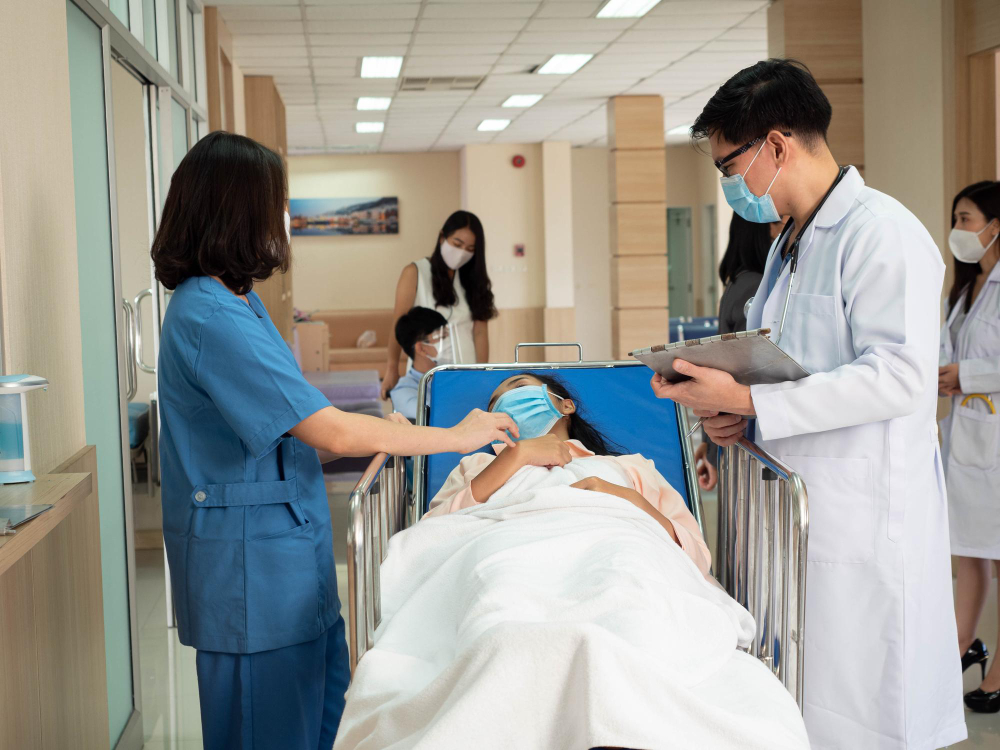
International patients can connect with MTA-verified hospitals in Thailand through Better by MTA — submit a free inquiry at better.medicaltourism.com.
Why International Patients Choose Thailand for Medical Care
Thailand has built one of the world's most developed international healthcare ecosystems over the past three decades. More than 3.7 million international patients seek medical care in Thailand annually — more than any other country in Southeast Asia and more than most countries in the world. The combination of internationally trained physicians, modern hospital infrastructure, strong accreditation standards, and costs 50–70% lower than the United States or Western Europe has made Thailand a default destination for patients across Asia, the Middle East, Europe, and North America.
What distinguishes Thailand's top hospitals from other international destinations is not simply cost. It is the depth of specialist availability, the volume of international cases managed, and the infrastructure built specifically around international patients — dedicated international patient centers, multi-language coordinators, visa assistance, and post-discharge coordination. These are not afterthoughts. They are core services that Thailand's leading hospitals have refined over decades of international patient volume.
Thailand's medical regulatory environment is managed by the Medical Council of Thailand and the Healthcare Accreditation Institute (HAI), which administers the JCI-equivalent Hospital Accreditation (HA) standard nationally. Internationally, Thailand's top hospitals hold JCI accreditation — the global benchmark that patients from the US, UK, and Europe recognize as equivalent to domestic hospital standards.
What to Look for When Choosing a Hospital in Thailand
Not every hospital in Thailand serves international patients equally well. Here is what separates the top tier from the rest.
JCI Accreditation
Joint Commission International accreditation is the clearest signal of international-grade clinical standards. JCI-accredited hospitals in Thailand have undergone rigorous on-site evaluation covering patient safety protocols, infection control, surgical standards, medication management, and staff qualifications. When choosing a hospital in Thailand, JCI accreditation is the minimum standard for serious cases.
Dedicated International Patient Center
The best hospitals in Thailand operate dedicated International Patient Centers — separate teams handling appointments, translation, insurance coordination, visa support, and post-discharge follow-up specifically for foreign patients. These centers are not shared with domestic patient services.
Specialist Availability and Case Volume
Thailand's top hospitals have deep specialist rosters across multiple disciplines simultaneously — not just one or two marquee names. High case volume in specific procedures is an important indicator of genuine expertise, particularly for oncology, cardiac surgery, and orthopedics.
Insurance and Payment Infrastructure
Leading international hospitals in Thailand work directly with major international insurers — AXA, Allianz, Cigna, BUPA, and others — and process direct billing rather than requiring patients to pay upfront. For patients without international insurance, transparent pricing and acceptance of 45+ international payment methods matters.
MTA Verified Hospitals in Thailand
Bumrungrad International Hospital — MTA Verified
📍 Bangkok, Thailand
Bumrungrad International Hospital is the most internationally recognized hospital in Southeast Asia — and one of the most studied international hospitals in the world. Founded in 1980 and receiving its first JCI accreditation in 2002, Bumrungrad has been the benchmark against which other international hospitals in the region are measured for over two decades. The hospital treats more than 520,000 patients annually, of whom approximately 40% are international — representing over 190 nationalities.
Bumrungrad operates 55 specialist centers across virtually every medical specialty, making it genuinely capable of managing complex multi-specialty cases within a single facility. Its Oncology Center, Heart Center, Orthopedic Center, and Neuroscience Institute are among the most advanced in Asia. The hospital's laboratory handles over 2 million tests annually and its imaging department operates to the same standards as major Western medical centers.
The International Patient Center at Bumrungrad is the most developed of any hospital in Southeast Asia — coordinating care for international patients across 190+ countries with language services in over 30 languages, dedicated international insurance coordinators, airport pickup, hotel partnerships, and telemedicine consultation available before travel.
Location: 33 Sukhumvit Soi 3, Sukhumvit Road, Khlong Toei Nua, Watthana, Bangkok 10110
JCI Accreditation: Yes — continuously accredited since 2002
Specialties: Oncology, Cardiac Surgery, Orthopedics, Neurology, Gastroenterology, Fertility, Spine Surgery, Transplant, Wellness
Annual International Patients: 200,000+
Nationalities Served: 190+
Languages: English, Arabic, Japanese, Chinese, Korean, German, French, and 30+ more
International Insurance: Direct billing with AXA, Allianz, Cigna, BUPA, and major international insurers
Estimated Costs — Knee Replacement: $12,000–$18,000 | Hip Replacement: $11,000–$17,000 | Cardiac Bypass: $15,000–$25,000 | Oncology Consultation: $200–$500
Best for: International patients requiring complex multi-specialty care, oncology treatment, or cardiac surgery in Southeast Asia. Bumrungrad's combination of JCI accreditation, 190-nationality patient base, and 55 specialist centers makes it the default recommendation for patients who need the highest level of clinical depth available in the region. It is also the most practical choice for patients traveling from the Middle East, South Asia, or East Asia who want a single-facility solution for complex cases.
→ View Bumrungrad International Hospital on Better by MTA
Why Thailand Leads Southeast Asia for International Healthcare
Thailand's dominance in regional medical tourism is not accidental. It is the result of deliberate government policy, private hospital investment, and physician training programs that have compounded over three decades. Three structural advantages are worth understanding.
Physician Training and Credentials
Thailand's top hospital physicians are predominantly trained at internationally recognized institutions — many hold board certifications from the US, UK, Europe, or Australia in addition to their Thai medical qualifications. Bumrungrad's medical staff includes physicians trained at Harvard, Johns Hopkins, Mayo Clinic, and other globally recognized centers. For patients accustomed to the standard of care at top Western hospitals, the physician credentials at Thailand's leading institutions are not a compromise — they are a match.
Infrastructure Investment
Thailand's leading hospitals have invested continuously in medical technology. Bumrungrad operates robotic surgery systems, a PET-CT scanner, the latest generation of cardiac catheterization laboratories, and digital pathology infrastructure. The imaging and laboratory capabilities at Thailand's top hospitals are comparable to or exceed those at many mid-tier US hospitals.
The Thailand Medical Tourism Ecosystem
Beyond the hospitals themselves, Thailand has developed a comprehensive medical tourism support ecosystem — accredited facilitators, hotel partnerships with medical recovery packages, post-operative care facilities, and a mature international flight network connecting Bangkok directly to virtually every major global city. A patient from the US East Coast can fly to Bangkok in approximately 20–22 hours with one connection. From the Middle East, Thailand is a 5–8 hour flight.
Cost Comparison — Thailand vs United States
Knee Replacement: Thailand $12,000–$18,000 | US comparison: $35,000–$65,000
Hip Replacement: Thailand $11,000–$17,000 | US comparison: $32,000–$55,000
Cardiac Bypass Surgery: Thailand $15,000–$25,000 | US comparison: $70,000–$200,000
Spinal Fusion: Thailand $10,000–$18,000 | US comparison: $30,000–$80,000
Cancer Treatment (chemotherapy cycle): Thailand $2,000–$5,000 | US comparison: $8,000–$30,000 per cycle
Cost estimates are based on industry averages and vary by hospital, procedure complexity, and individual treatment plan. Always request a fully itemized quote before committing. Request a personalized estimate through Better by MTA's free inquiry system.
Planning Your Medical Trip to Thailand
Visa: US, UK, EU, Canadian, and Australian passport holders do not require a visa for Thailand for stays under 30 days (extendable). A visa-on-arrival is available for most other nationalities. Medical visa options exist for extended treatment stays.
Getting there: Bangkok's Suvarnabhumi International Airport (BKK) is one of Asia's largest hub airports, serving direct flights from London, Frankfurt, Dubai, Doha, Singapore, Tokyo, Seoul, Sydney, and connections from all major US cities. Thai Airways, Emirates, Qatar Airways, and Cathay Pacific are the primary long-haul carriers.
Language: English is the primary language of international patient care at Bumrungrad and other JCI-accredited hospitals. Translators are available for virtually every major language on request.
Recovery and accommodation: Bangkok has an extensive range of international-standard hotels within minutes of Bumrungrad, including options with dedicated medical recovery services. The hospital's International Patient Center coordinates hotel recommendations and recovery accommodation.
How to Choose the Right Hospital for Your Case
✓ Confirm JCI accreditation directly. Check JCI's public database at jointcommissioninternational.org. If a hospital claims JCI accreditation and does not appear in the database, the claim is false.
✓ Ask about case volume for your specific procedure. How many of your specific procedure does the hospital perform annually? High case volume in your specific procedure correlates with better outcomes.
✓ Request your treating physician's credentials. Ask for the name, medical license number, specialty board certification, and training background of the physician who will treat you. Reputable hospitals provide this without hesitation.
✓ Confirm insurance coordination. If you have international health insurance, ask whether the hospital provides direct billing for your insurer. Ask about the pre-authorization process before traveling.
✓ Understand the full treatment timeline. How many visits are required? How many days should you plan for the initial stay? What follow-up is available remotely after you return home?
✓ Use an MTA Verified provider. Bumrungrad International Hospital has been reviewed and verified by the Medical Tourism Association. Patients can submit a free inquiry through Better by MTA by clicking here.
Ready to Connect With a Verified Hospital in Thailand?
Better by MTA connects you directly with MTA-verified hospitals in Thailand. Submit a free inquiry — no obligation, no intermediary fees.

.png)


