


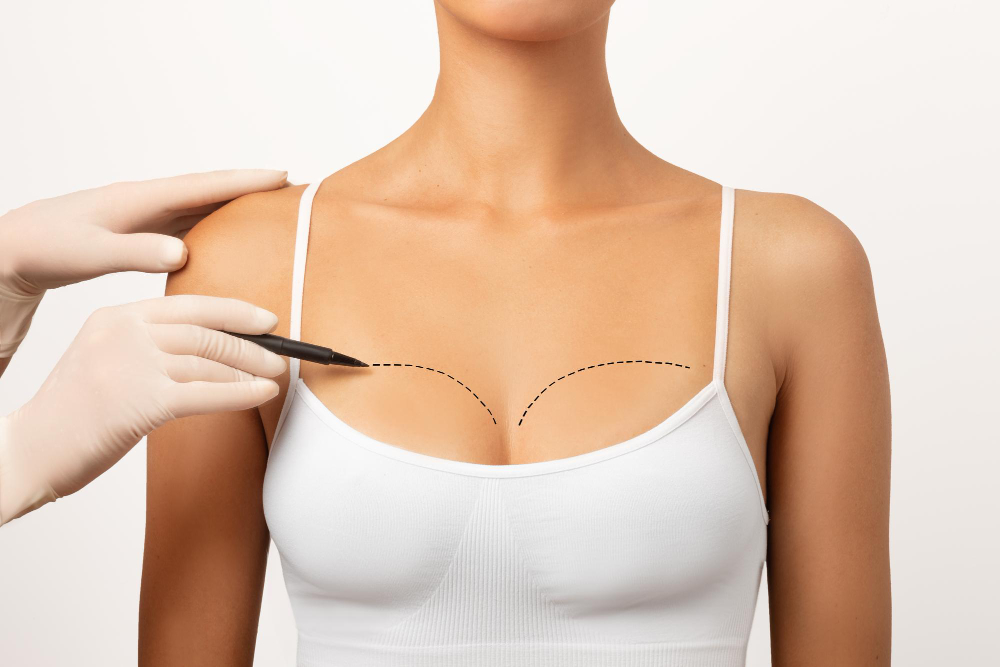
Breast augmentation is established cosmetic surgery, performed under general anesthesia with real surgical risks, and it is offered abroad by MTA-verified clinics such as the featured providers below at a fraction of the cost seen in many home countries, provided you choose a qualified surgeon and plan your recovery carefully. If you want to compare accredited options, you can browse verified providers here.
This guide walks you through what breast augmentation actually involves, the main options for enhancing breast size and shape, the surgical process and recovery timeline, what the procedure tends to cost abroad, and how to choose a surgeon and facility you can trust. The aim is honest and informational: to help you weigh a genuine surgical decision with realistic expectations, not to sell you a result.
Understanding Breast Augmentation
Breast augmentation is surgery to increase or reshape the breasts, most often using implants or, in some cases, the patient's own fat. It is a well-established procedure with decades of clinical history, but it remains real surgery under general anesthesia. That means it carries genuine risks, including bleeding, infection, poor scarring, changes in nipple or breast sensation, implant rupture, and capsular contracture, where scar tissue tightens around an implant and can distort or firm the breast.
There are two broad approaches. Implant-based augmentation uses a device placed above or below the chest muscle. Fat transfer augmentation uses liposuction to harvest fat from another area of your body and inject it into the breasts for a more modest, natural increase. Your surgeon will discuss which suits your anatomy, your goals, and your tolerance for future maintenance surgery. It is important to understand that implants are not lifetime devices: they can fail over time and may need replacement or removal, so augmentation is a decision that can involve additional operations years later.
Implant Options: Saline vs Silicone
Saline implants are filled with sterile salt water. If a saline implant ruptures, the fluid is harmlessly absorbed by the body and the deflation is usually obvious. Silicone implants are filled with a cohesive gel that many patients feel is closer to natural breast tissue. A silicone rupture can be silent, which is why imaging follow-up over the years is recommended for silicone. Both types come in different shapes, sizes, and surface textures, and both require a proper discussion of the trade-offs with your surgeon rather than a one-size-fits-all recommendation.
Fat Transfer
Fat transfer avoids a foreign device altogether and can slightly reshape a donor area at the same time, but the size increase is limited, and some of the transferred fat is naturally reabsorbed, so results are less predictable and more than one session is sometimes needed. It is not a substitute for implants when a significant increase in size is the goal.
The Surgical Process and Recovery Timeline
Surgery typically takes one to two hours under general anesthesia, followed by time in recovery before you are discharged, often the same day or after a short stay. Expect swelling, bruising, and soreness in the first week, with a supportive surgical bra and prescribed pain relief. Most people take one to two weeks off from desk-based work, avoid lifting and vigorous activity for four to six weeks, and see swelling settle and the implants soften into a more natural position over several weeks to a few months. Crucially, because surgery and long flights both raise the risk of blood clots, including deep vein thrombosis, you must allow adequate recovery time before flying home and follow your surgeon's specific guidance on when air travel is safe.
Why Patients Consider Breast Augmentation Abroad
The most common reason is cost. In countries with lower operating and staffing costs, the same procedure with a well-trained surgeon can be a fraction of the price charged in the United States, the United Kingdom, or Australia. Many international clinics also coordinate the whole visit in English, arrange airport transfers and accommodation, and package the consultation, surgery, and initial follow-up together, which can make the logistics simpler.
Shorter waiting times and access to experienced high-volume surgeons in established cosmetic-surgery hubs are also draws. Cities in Mexico, Turkey, and South Korea have built genuine expertise in aesthetic surgery for international patients.
That said, lower cost and easy coordination do not by themselves guarantee a good outcome or a safe one. Standards vary widely between clinics, and the practical challenge of managing any complication once you are home deserves serious thought before you book. Treat travel as one factor in a careful decision, not the decision itself.
What Breast Augmentation Costs Abroad
Costs vary by country, surgeon, implant type, and the complexity of your case, but abroad the total is often in the low-to-mid single digit thousands of US dollars, frequently less than half of what comparable surgery costs in high-income Western countries. Fat transfer can differ in price because it combines liposuction with the augmentation.
Cosmetic surgery is almost always self-funded and not covered by insurance, and complications treated after you return home may not be covered either. Insist on an itemized written quote before you commit. It should spell out the surgeon's fee, anesthesia, the specific implants, the facility and any hospital stay, pre-operative tests, follow-up visits, garments, and what happens, and who pays, if a revision or complication arises. Also budget for extra nights of accommodation so you are not tempted to fly home too soon.
MTA Verified Providers for Breast Augmentation
The following MTA-verified providers offer cosmetic and plastic surgery to international patients. Use them as starting points to research carefully, request credentials, and compare, rather than as endorsements of any particular result.
Clinica del Campestre - MTA Verified
Mexico
- Location: Mexico
- Focus: Plastic and cosmetic surgery for international patients
- Languages: English and Spanish
- International services: Coordination for overseas patients, including consultation scheduling and support around the surgical visit
Best for: Patients from North America looking for a shorter flight and English-Spanish coordination for cosmetic surgery.
View Clinica del Campestre on Better by MTA
Duty Medical - MTA Verified
Istanbul, Turkey
- Location: Istanbul, Turkey
- Focus: Cosmetic and plastic surgery for international patients
- Languages: English and Turkish
- International services: Support for travelling patients, including visit planning and English-language coordination
Best for: Patients considering Istanbul as an established hub for aesthetic surgery with international-patient support.
View Duty Medical on Better by MTA
Memorial Hospitals Group - MTA Verified
Turkey (Istanbul and other cities)
- Location: Turkey, with hospitals in Istanbul and other cities
- Focus: A large accredited multi-specialty hospital group including plastic and reconstructive surgery
- Languages: English and Turkish
- International services: Dedicated international-patient services within a full hospital setting
Best for: Patients who prefer a large accredited hospital environment with broader medical backup around their surgery.
View Memorial Hospitals Group on Better by MTA
GANGNAM JS HOSPITAL - MTA Verified
Seoul, South Korea
- Location: Seoul, South Korea
- Focus: A Seoul hospital providing surgical care to international patients
- Languages: English and Korean
- International services: Coordination and support for patients travelling to Seoul for treatment
Best for: Patients drawn to Seoul's reputation as a center for aesthetic surgery and seeking English-Korean coordination.
View GANGNAM JS HOSPITAL on Better by MTA
Comparing These Providers
These four providers span three well-known destinations. Clinica del Campestre in Mexico is the most convenient for patients in the Americas, while Duty Medical, Memorial Hospitals Group, and GANGNAM JS HOSPITAL sit in Turkey and South Korea, two regions with strong reputations in aesthetic surgery for international patients. Memorial Hospitals Group stands out as a large multi-specialty hospital group, which can appeal to patients who want the reassurance of a full hospital setting rather than a standalone clinic.
The right choice depends less on the destination and more on the individual surgeon's qualifications, the facility's accreditation, and how thoroughly each provider handles consultation, honest expectation-setting, and aftercare. Compare on those points, ask the same detailed questions of each, and weigh the practicalities of recovery and follow-up before deciding.
Planning Your Breast Augmentation Trip Abroad
Good planning is what separates a smooth experience from an avoidable problem. Before you travel, work through the following:
- Verify the surgeon's credentials and the facility's accreditation in writing, and confirm the surgeon is a properly qualified, board-certified or equivalently accredited plastic surgeon rather than a general practitioner.
- Have a thorough consultation, ideally in person or through detailed remote review, and disclose your full medical history, medications, allergies, and any prior surgery so risks can be assessed honestly.
- Keep your expectations realistic and insist on candid answers about likely results, scarring, and the chance you may need revision surgery in future.
- Plan enough recovery time in the destination before flying, because surgery combined with long flights raises the risk of blood clots, and follow your surgeon's guidance on when air travel is safe.
- Arrange a clear aftercare and follow-up plan, including who manages any complication once you are back home and how you will reach your surgeon with questions.
How to Choose the Right Breast Augmentation Provider
Once you have a shortlist, judge each provider against the things that actually affect safety and satisfaction:
- Confirm the individual surgeon's qualifications and experience with breast augmentation specifically, not just the clinic's general reputation.
- Check that the facility is accredited and equipped to handle anesthesia and any surgical emergency safely.
- Ask for an itemized written quote and a written aftercare plan, including how revisions and complications are handled and who bears the cost.
- Look for a provider that sets honest, realistic expectations and gives you time to decide, and be wary of anyone pressuring you or promising a guaranteed result.
- Read independent reviews, ask for before-and-after examples of real patients, and when you are ready to compare options side by side, get a free quote through Better by MTA.
Ready to Explore Breast Augmentation Abroad Safely?
Breast augmentation abroad can be a sound, cost-effective choice, but it is real surgery that deserves careful research. Gather detailed information, involve your own doctor in the decision, verify every credential, and keep your expectations grounded in what surgery can realistically achieve. Take the time to plan recovery and follow-up properly, and you will be in a far stronger position to choose well.
Better by MTA helps you compare verified providers, request quotes, and coordinate care with confidence, powered by Mastercard payment infrastructure and compliant with HIPAA, GDPR, and SOC 2 standards, so your information and payments are handled securely from first inquiry to follow-up.
By Jonathan Edelheit, CEO and Co-Founder, Medical Tourism Association. Last updated August 2026.

.png)


