


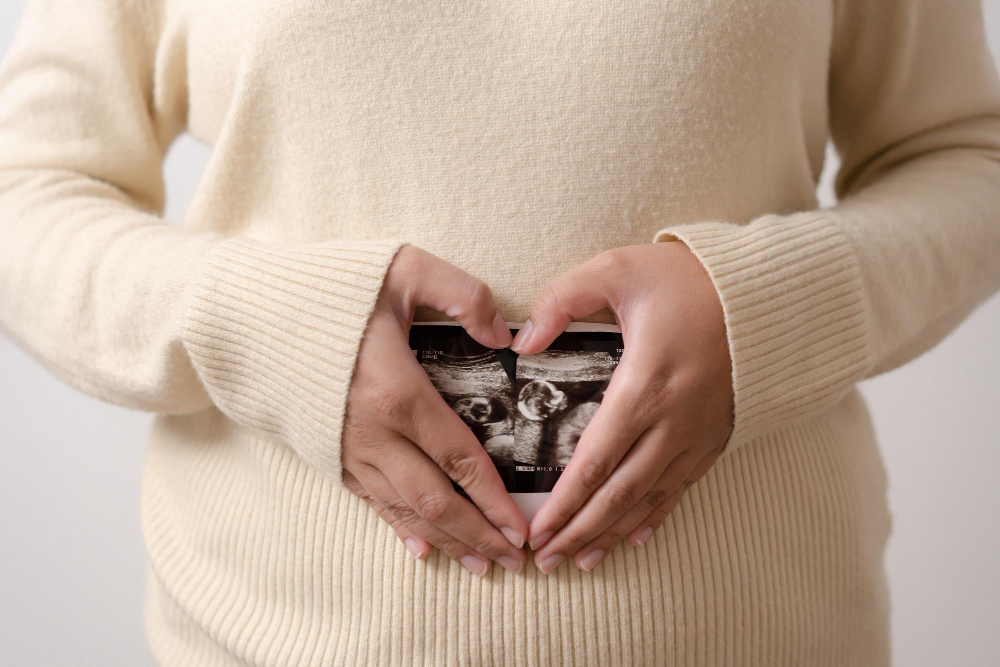
Egg donation is an established, evidence-based fertility treatment offered abroad by MTA-verified clinics such as the featured providers, and it gives many people a realistic path to pregnancy when their own eggs are unlikely to work, though no fertility treatment can promise a baby. If you want to compare accredited options, you can browse verified providers here.
This complete guide walks you through egg donation IVF from start to finish: who it helps, how the process works, fresh versus frozen donor eggs, how donors are screened and matched, how anonymity and the law differ by country, what it tends to cost, and how to plan a trip and choose a clinic. Egg donation is mainstream reproductive medicine practiced by fertility specialists worldwide, and success rates are often relatively high, but outcomes still vary from person to person.
Understanding Egg Donation and Who It Helps
Egg donation is a form of in vitro fertilization (IVF) in which eggs come from a healthy screened donor rather than from the person hoping to carry the pregnancy. The donor eggs are fertilized in the laboratory with sperm from the recipient's partner or from a sperm donor, the resulting embryo is cultured for several days, and one embryo is transferred into the recipient's uterus after her lining has been prepared. If pregnancy occurs, the recipient carries and delivers the baby herself.
Donor eggs are considered when a person's own eggs are unlikely to lead to a healthy pregnancy. Common reasons include diminished ovarian reserve, advanced maternal age, and premature ovarian insufficiency, where the ovaries stop functioning normally before the expected age. Egg donation is also used after repeated IVF failure with a person's own eggs, when there is a risk of passing on certain genetic conditions, and after cancer treatment such as chemotherapy or radiotherapy that has affected ovarian function. It can also help single people and same-sex male couples building families with a gestational carrier, within local law.
Because the eggs come from a young, healthy, thoroughly screened donor, egg donation often carries some of the higher success rates in fertility care. Even so, success is never guaranteed, and the recipient's uterine health, sperm quality, and embryo quality all play a part. A reputable clinic will discuss your situation honestly rather than promise a result.
How the Egg Donation Process Works
Understanding the full sequence helps you plan travel and set expectations. While details vary between clinics and countries, the core steps are consistent.
Donor selection and matching. The clinic matches you with a screened donor based on physical characteristics, blood type, and background, within the limits set by local law. In some countries donors are anonymous and the clinic handles matching; in others recipients receive more information.
Donor stimulation and egg retrieval. The donor takes hormonal medication for around ten to fourteen days to stimulate her ovaries to produce multiple eggs, which are then collected in a short procedure under sedation. With a fresh cycle, this step is timed to your treatment; with frozen eggs, it has already happened and the eggs are stored in an egg bank.
Fertilization and embryo culture. The retrieved eggs are fertilized in the laboratory, frequently using ICSI (intracytoplasmic sperm injection), where a single sperm is injected directly into each egg. The embryos are then cultured, often to the blastocyst stage at around day five, so the embryologist can select the strongest embryo for transfer.
Endometrial preparation and embryo transfer. Meanwhile, the recipient takes medication to prepare her uterine lining so it is receptive. A single embryo is usually transferred in a quick, painless procedure that needs no anesthesia, and a pregnancy test follows about ten to fourteen days later.
Frozen embryo options. Good-quality embryos not used in the first transfer can be frozen for future attempts or for a sibling later, improving the overall value of a cycle and reducing the need to repeat the whole process.
Fresh Versus Frozen Donor Eggs and Egg Banks
There are two main models. In a fresh cycle, the donor's stimulation is synchronized with the recipient's cycle, and the freshly retrieved eggs are fertilized right away. Fresh cycles can yield more eggs, and so more embryos in reserve, but they require careful scheduling between two people and can involve more waiting for a match.
In a frozen donor egg program, eggs are retrieved in advance and stored in an egg bank using vitrification, a fast-freezing technique with high survival rates. You are allocated a set number of thawed eggs, often as a defined package, and treatment can usually begin sooner with more predictable timing, which suits international patients coordinating travel. Your clinic can explain which model fits your goals, budget, and schedule.
Donor Screening and Matching
Reputable clinics screen egg donors carefully before accepting them. Screening typically includes a medical evaluation, genetic carrier screening, infectious-disease testing, and, in many programs, psychological screening as well, alongside a review of personal and family medical history. Donors are generally young, which is one reason donor-egg success rates tend to be favorable.
Matching aims to align the donor with the recipient on physical characteristics such as height, build, hair and eye color, along with blood type and background, within what local law and clinic policy permit. In some jurisdictions the donor information you can receive is limited by anonymity rules, so ask each clinic what it can and cannot share.
Anonymity and Legal Considerations by Country
Donor-conception law is one of the biggest reasons patients travel, and it varies widely. Rules on donor anonymity, who is eligible for treatment, how many families a donor may help, and what information a child can access later differ by country and can change over time. Confirm the current specifics with any clinic you are considering. This is general information, not legal advice.
Spain has long been one of the most popular destinations for egg donation in Europe, with a well-developed regulatory framework, a large and diverse donor pool, and a tradition of donor anonymity, where the clinic manages matching and the donor's identity is not disclosed to the recipient. Colombia has also become a destination for international fertility patients, with its own legal and regulatory framework that differs from Spain's, including on matters such as donor information and eligibility. Because these frameworks evolve, ask each clinic to explain the rules that would apply to your treatment today, and consider how anonymity rules might affect your family in the future.
Emotional and Counseling Considerations
Choosing donor eggs is a meaningful decision, and feelings about genetic connection, disclosure to a future child, and the donor-conception journey are normal and worth exploring. Many clinics offer, and some countries require, implications counseling with a trained professional before treatment. It is a genuinely useful space to think through your questions, and worth seeking out even where it is optional.
What Egg Donation Costs Abroad
Egg donation is usually self-funded, as many insurance plans do not cover donor-conception treatment. Costs vary by country, clinic, and whether you choose a fresh cycle or a frozen egg package, but treatment in leading destinations such as Spain and Colombia is often a fraction of the cost of comparable care in the United States, typically in the mid single-digit to low five-figure range in US dollars for a cycle. A frozen embryo transfer using embryos left over from your cycle generally costs considerably less than a full new cycle.
Before committing, insist on an itemized written quote. It should spell out donor and matching fees, donor screening, medication for both the donor and the recipient, fertilization including ICSI, embryo culture, the embryo transfer, and any freezing and storage of surplus embryos, plus what happens if a further transfer is needed. Also budget separately for travel, accommodation, and any pre-treatment tests done at home, so you can compare clinics like for like.
MTA Verified Providers for Egg Donation
The clinics below are MTA-verified and experienced in caring for international patients seeking donor egg IVF. Treat these as options to research carefully, and speak with more than one before you decide.
IVF Life Alicante - MTA Verified
Alicante, Spain
- Location: Alicante, on Spain's Mediterranean coast, part of the IVF Life group.
- Focus: IVF, ICSI, egg donation and donor programs.
- Languages: English, Spanish, and other languages.
- International services: Dedicated international patient services with coordination for travel and remote consultations.
Best for: International patients who want a Spanish egg donation program with a large donor pool and a well-established anonymous framework.
View IVF Life Alicante on Better by MTA
IVF Life Madrid - MTA Verified
Madrid, Spain
- Location: Madrid, Spain's capital, part of the IVF Life group.
- Focus: IVF, ICSI, egg donation and donor programs.
- Languages: English, Spanish, and other languages.
- International services: International patient services with support for scheduling, logistics, and follow-up.
Best for: Patients who prefer treating in a major, well-connected capital with straightforward international flight access.
View IVF Life Madrid on Better by MTA
IVF Life Donostia - MTA Verified
Donostia-San Sebastian, Spain
- Location: Donostia-San Sebastian, in Spain's Basque Country, part of the IVF Life group.
- Focus: IVF, ICSI, egg donation and donor programs.
- Languages: English, Spanish, and other languages.
- International services: International patient coordination, including remote consultations and travel guidance.
Best for: Patients who want a Spanish donor program in a smaller, easily navigated city in the north of the country.
View IVF Life Donostia on Better by MTA
InSer Fertility Institute - MTA Verified
Medellin, Colombia
- Location: Medellin, Colombia.
- Focus: IVF, ICSI, and donor egg programs.
- Languages: Spanish and English.
- International services: International patient coordination for consultations, scheduling, and travel logistics.
Best for: Patients in the Americas, or those wanting a Latin American option, who prefer treating closer to home under Colombia's regulatory framework.
View InSer Fertility Institute on Better by MTA
Comparing These Providers
The three IVF Life clinics, in Alicante, Madrid, and Donostia-San Sebastian, offer egg donation within Spain's mature, historically anonymous framework and its large, diverse donor pool, differing mainly by city and travel convenience. InSer in Medellin offers a Latin American alternative under Colombia's own legal framework, which may appeal to patients in the Americas or those seeking a different regulatory environment.
The right choice depends on where you are traveling from, the anonymity and legal rules you are comfortable with, donor availability, cost, and how each clinic handles matching and communication. Because these factors, especially the legal ones, can change, compare at least two clinics and confirm the current rules directly before deciding.
Planning Your Egg Donation Trip Abroad
A little planning makes an international donor cycle far smoother. Keep the following in mind.
- Involve your own doctor or fertility specialist early, and share the clinic's plan so your care is coordinated before and after travel.
- Bring full medical records, including any prior fertility test results, imaging, and details of previous treatment cycles.
- Ask how the schedule works for your model of care, since frozen egg programs often allow more predictable timing than fresh cycles that must be synchronized with a donor.
- Set realistic expectations: donor-egg success rates are often relatively high because donors are young, but pregnancy is never guaranteed, and more than one transfer is sometimes needed.
- Plan your follow-up, including the pregnancy test, early pregnancy monitoring, and how care will transfer back to a provider at home.
How to Choose the Right Egg Donation Provider
Use these points to compare clinics on what matters most.
- Confirm how donors are screened, including medical, genetic carrier, infectious-disease, and psychological screening, and ask about the size and diversity of the donor pool.
- Ask each clinic to explain the current anonymity and legal rules that would apply to your treatment, and how matching on physical characteristics and blood type is handled.
- Check whether implications counseling is offered or required, and take it up even where it is optional.
- Request an itemized written quote and honest, non-guaranteed success information for someone in your situation, including what a repeat transfer would involve.
- Look at communication, language support, and international coordination, and when you are ready to compare options side by side, get a free quote through Better by MTA.
Ready to Explore Egg Donation Abroad?
Egg donation is a well-established fertility treatment that helps many people become parents, and traveling abroad can make quality care more accessible and affordable. Take your time gathering information, involve your own doctor, confirm the current legal and anonymity rules with each clinic, and hold realistic, honest expectations. With careful research and the right team, a donor egg journey can be a hopeful, well-supported one.
Better by MTA helps you compare verified providers, request quotes, and coordinate care with confidence, powered by Mastercard payment infrastructure and compliant with HIPAA, GDPR, and SOC 2 standards, so your information and payments are handled securely from first inquiry to follow-up.
By Jonathan Edelheit, CEO and Co-Founder, Medical Tourism Association. Last updated August 2026.

.png)


