


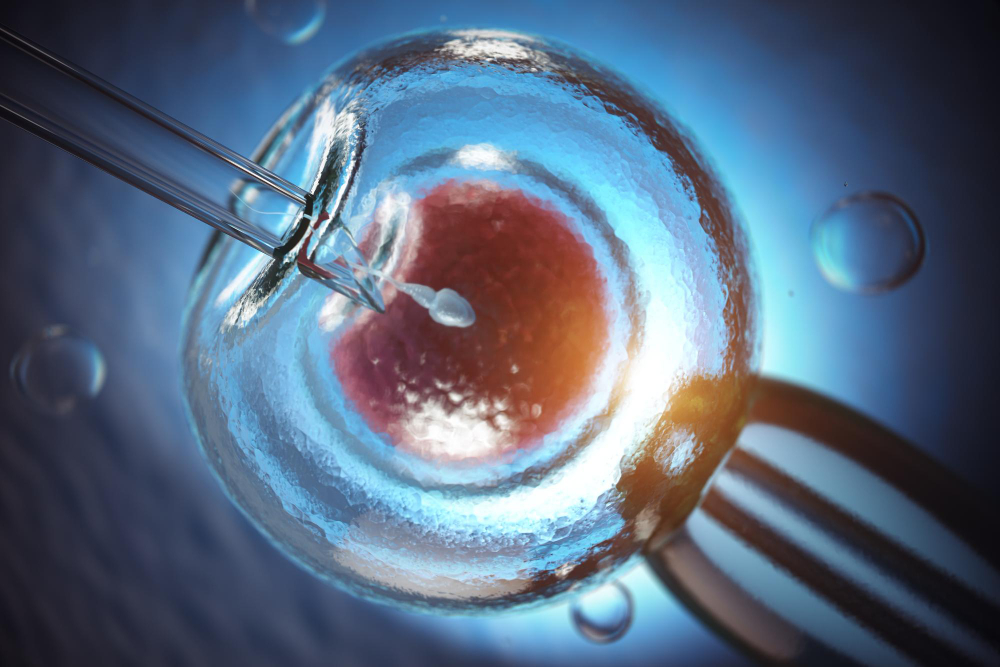
Embryo freezing through IVF is an established, evidence-based fertility treatment, and several MTA-verified clinics abroad, such as IVF Life Alicante, InSer Fertility Institute, and Azul Fertility Experts, offer it at a fraction of what many pay at home, though a frozen embryo is a stored chance rather than a guaranteed future baby. If you want to compare accredited options, you can browse verified providers here.
This guide explains what embryo freezing actually involves, why some people travel abroad for it, what it tends to cost, and, most importantly, whether traveling for it is genuinely worth it for you. The aim here is honest information, not a sales pitch. Freezing embryos can be a smart, empowering choice, but it also carries practical realities that are easy to overlook when you are focused on the treatment itself.
Understanding Embryo Freezing
Embryo freezing, or cryopreservation, is the process of preserving fertilized eggs so they can be thawed and used in a future pregnancy attempt. It is a routine, well-established part of modern fertility care, not an experimental procedure. Millions of babies have been born from frozen embryos, and clinics around the world perform the technique daily as part of standard in vitro fertilization, or IVF.
The freezing method used today is called vitrification. Rather than cooling embryos slowly, vitrification flash-freezes them so quickly that water inside the cells does not have time to form damaging ice crystals. The embryos are suspended in a glass-like state and stored in tanks of liquid nitrogen at very low temperatures, where they can remain viable for many years. Vitrification has dramatically improved results compared with older slow-freezing methods, and thaw survival rates with modern vitrification are high. That said, high is not the same as certain. A small proportion of embryos do not survive thawing, and even a healthy thawed embryo does not guarantee that a transfer will lead to a pregnancy or a live birth.
It is worth being clear-eyed from the start. The quality and number of embryos you can freeze, and the likelihood they later become a baby, depend heavily on factors such as the woman's age when the eggs and embryos were created, egg and sperm quality, and individual health. Freezing preserves your options at a moment in time, but it does not stop the clock entirely or promise a specific outcome.
Why Patients Consider Embryo Freezing Abroad
People freeze embryos for several different reasons. Some have surplus embryos left over from an IVF cycle and choose to store the extras rather than discard them. Others are preserving fertility before medical treatment, such as chemotherapy or radiation, that could affect their ability to conceive later. Many are simply planning a family-building delay for personal, professional, or relationship reasons and want to safeguard younger, healthier embryos for the future. Embryo freezing is also a standard step when a cycle includes preimplantation genetic testing, or PGT, since embryos are frozen while the test results come back.
The reasons for doing this abroad usually come down to access and cost. In some countries, waiting lists are long, certain treatments are restricted, or prices are simply very high. Clinics in destinations such as Spain, Colombia, and Costa Rica have built strong international fertility programs with experienced embryologists, modern laboratories, and coordinators who work in English and other languages. For many patients, traveling abroad opens the door to well-regarded care that would be more expensive or harder to reach at home.
At the same time, choosing a clinic abroad deserves the same scrutiny you would apply anywhere. Strong marketing is not the same as strong laboratory results. Look for clinics with transparent success data, qualified embryologists, and clear communication, and remember that the convenience of treatment abroad brings its own logistical considerations, which matter a great deal when what you are storing is meant to travel or wait for years.
What Embryo Freezing Costs Abroad
Embryo freezing is almost always self-funded, since fertility preservation is frequently not covered by insurance. When comparing prices, it helps to separate two very different costs. The first is the treatment cycle itself, which typically includes ovarian stimulation medication, egg retrieval, fertilization in the laboratory, growing the embryos, and the freezing procedure. Abroad, a full cycle can cost a fraction of what the same care runs in higher-priced markets, often in the low-to-mid single digit thousands of US dollars, though the exact figure varies widely by clinic and by how many medications and add-ons are involved.
The second cost is separate and ongoing: an annual storage fee to keep your embryos in the clinic's tanks year after year. This is easy to forget in the excitement of the cycle, but it continues for as long as your embryos remain frozen, and it is charged by the clinic that holds them. On top of that, if you later want your embryos moved, whether to bring them home or to transfer to another clinic, there is the cost and logistics of shipping frozen embryos across borders in specialized cryogenic containers. Insist on an itemized written quote that spells out the cycle price, exactly what is and is not included, the annual storage fee, and the clinic's policies and fees for future transport.
Is Embryo Freezing Worth Traveling For?
The honest answer is that it depends on your situation, and it is worth weighing both sides carefully. On the positive side, the cost savings can be substantial, giving you access to strong clinics and experienced laboratories for far less than you might pay at home. For people facing restrictions or long waits in their own country, traveling can also simply make treatment possible. If you are freezing embryos as part of an IVF cycle you were doing anyway, or preserving fertility before medical treatment, combining that with a well-chosen clinic abroad can be a genuinely good value.
The complications are equally real, and they are mostly about the years after the freezing. Your embryos will physically remain in a tank in another country. That means paying an annual storage fee to a clinic abroad, keeping consent and legal paperwork current across a border, and, when you are ready to use the embryos, either returning to that clinic for a frozen embryo transfer or arranging to ship the embryos elsewhere. Cross-border embryo transport is possible and done routinely, but it takes planning, money, and coordination, and both countries' rules must allow it. Laws, consent requirements, and clinic policies around embryo storage, ownership, and disposition vary from place to place and can change over time.
So is it worth it? For many people, yes, provided they go in with eyes open. The treatment itself abroad can be excellent and affordable. The question is really whether you are comfortable with the long tail of storing and eventually moving embryos internationally. If you expect to build your family at that same clinic, or you are comfortable shipping embryos later, traveling can make strong sense. If the logistics of long-distance storage feel like a burden, factor that honestly into your decision. This is information to help you plan, not legal advice, so confirm the specifics with any clinic before committing.
MTA Verified Clinics for Embryo Freezing
The clinics below are MTA-verified and run established international fertility programs that include embryo freezing. Use these summaries as a starting point for your own research and direct questions.
IVF Life Alicante - MTA Verified
Alicante, Spain
- Location: Alicante, on Spain's Mediterranean coast, part of the IVF Life group.
- Focus: IVF, ICSI, embryo freezing and vitrification, and donor programs.
- Languages: English, Spanish, and other languages.
- International services: Dedicated international patient services and coordination for traveling patients.
Best for: patients who want an experienced European clinic with a modern laboratory and multilingual support.
View IVF Life Alicante on Better by MTA
InSer Fertility Institute - MTA Verified
Medellin, Colombia
- Location: Medellin, Colombia.
- Focus: IVF, ICSI, embryo freezing, and donor programs.
- Languages: Spanish and English.
- International services: International patient coordination for scheduling and travel logistics.
Best for: patients seeking an established Latin American fertility institute with competitive pricing.
View InSer Fertility Institute on Better by MTA
Azul Fertility Experts - MTA Verified
Costa Rica
- Location: Costa Rica.
- Focus: IVF and fertility care including embryo freezing.
- Languages: English and Spanish.
- International services: International patient coordination for overseas patients.
Best for: patients who want to combine fertility care with a well-connected Central American destination.
View Azul Fertility Experts on Better by MTA
Comparing These Clinics
All three clinics offer embryo freezing within full IVF programs and provide international patient support, but they differ in setting and reach. IVF Life Alicante gives you a European base with a broad group behind it, InSer brings a long-standing institutional presence in Colombia, and Azul offers care in Costa Rica with strong English-language coordination. Beyond location, weigh each clinic's laboratory experience, transparency about results, storage policies, and what they charge for ongoing storage and any future embryo transport.
Whichever you lean toward, ask the same practical questions of each: how long they have run their program, who staffs the laboratory, how storage fees and consent renewals work, and exactly how a future frozen embryo transfer or embryo shipment would be handled from where you live.
Planning Your Embryo Freezing Trip Abroad
A little preparation makes the whole process smoother and helps you avoid surprises later, especially around storage and future use.
- Involve your own doctor or a fertility specialist before you travel, and share your medical history and any relevant test results with the clinic in advance.
- Bring your full records, including prior fertility workups, imaging, and any earlier IVF or hormone results.
- Set realistic expectations: understand that thaw survival is high but not guaranteed, and that a frozen embryo does not promise a future baby.
- Clarify the timeline for stimulation, retrieval, fertilization, and freezing so you know how many days you need to be in the country.
- Plan for follow-up and the long term, including how annual storage, consent renewals, and a future frozen embryo transfer or shipment would work.
How to Choose the Right Embryo Freezing Clinic
Choosing well is less about finding the lowest price and more about finding a clinic whose laboratory, transparency, and long-term policies you trust.
- Look for an experienced embryology laboratory and ask how the clinic tracks and reports its outcomes.
- Request an itemized written quote covering the cycle, the separate annual storage fee, and any future transport costs.
- Confirm the consent, legal, and ownership rules for stored embryos, and check that they allow for how you may want to use or move the embryos later.
- Ask directly how a future frozen embryo transfer or cross-border embryo shipment would be arranged from your home country.
- Compare a few verified clinics on results, communication, and total long-term cost rather than headline price alone, and when you are ready to compare options side by side, get a free quote through Better by MTA.
Ready to Explore Embryo Freezing Abroad?
Embryo freezing abroad can be a well-priced, high-quality way to preserve your fertility, as long as you go in informed. Gather the details, involve your own doctor or fertility specialist, keep your expectations realistic, and think carefully about the years of storage and possible transport that come after the cycle. With clear information and the right clinic, you can make a confident, well-grounded decision.
Better by MTA helps you compare verified providers, request quotes, and coordinate care with confidence, powered by Mastercard payment infrastructure and compliant with HIPAA, GDPR, and SOC 2 standards, so your information and payments are handled securely from first inquiry to follow-up.
By Jonathan Edelheit, CEO and Co-Founder, Medical Tourism Association. Last updated August 2026.

.png)


