


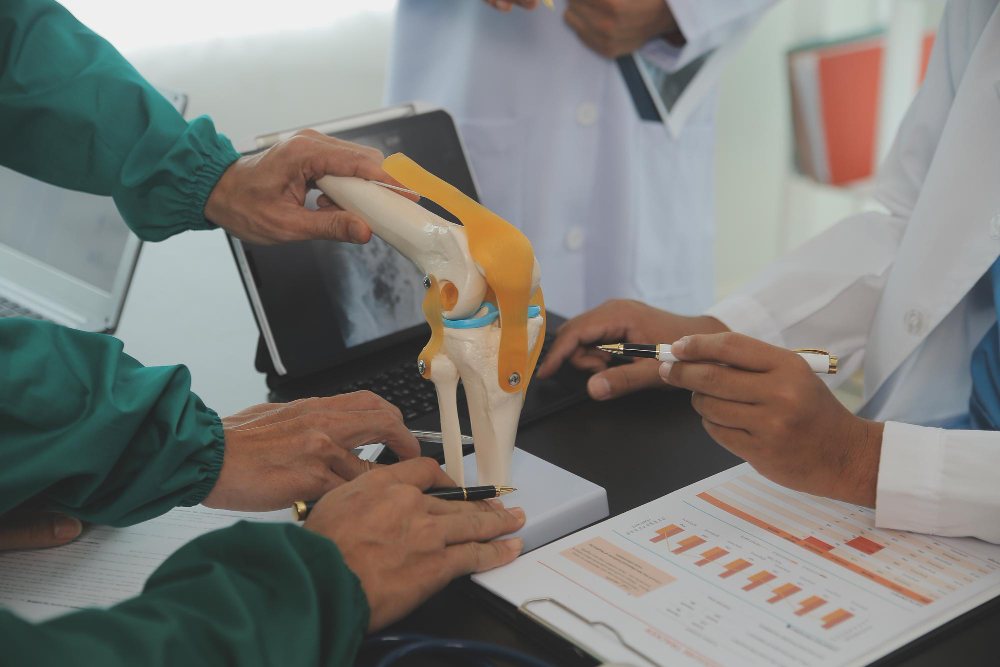
For international patients weighing joint replacement, sports medicine, or spine surgery abroad, Thailand is one of the most established and trusted destinations in Asia, and Bumrungrad International Hospital in Bangkok is among the best known hospitals in the world for orthopedic care of overseas patients. If you want to compare accredited options, you can browse verified providers here.
This guide explains why Thailand has become a leading destination for orthopedic surgery, what procedures like hip and knee replacement typically cost, how to read a written quote before you commit, and how to plan a trip that accounts for recovery time before flying and a realistic rehabilitation plan. It also profiles Bumrungrad International Hospital, an MTA Verified provider with a dedicated orthopedic center and a long track record of caring for patients who travel from abroad.
Why Thailand for Orthopedic Surgery
Thailand has spent decades building a private healthcare sector oriented around international patients, and orthopedics is one of its strongest specialties. Bangkok in particular is well connected by direct flights from across Asia, the Middle East, Australia, and Europe, which makes it realistic to travel for a planned procedure like a joint replacement, arthroscopy, or spine surgery and to return for follow-up if needed. The country's medical travel infrastructure, from airport transfers to recovery-friendly hospitality, is among the most developed anywhere.
Language access is a major reason orthopedic patients feel comfortable in Thailand. The hospitals that serve overseas patients operate in English and often many other languages, with professional interpreters and international patient coordinators who manage everything from your first inquiry to discharge. Clear communication matters enormously in orthopedic care, where understanding your diagnosis, your surgical options, and your rehabilitation instructions directly affects how well you recover.
Cost is a powerful draw. Major orthopedic procedures such as hip and knee replacement in Thailand often run at a fraction of what patients would pay in the United States, and the savings frequently hold even after accounting for flights and an extended stay for recovery. That price advantage lets many patients access surgery, high-quality implants, and a structured rehabilitation program for a total outlay well below what a single procedure would cost at home.
Finally, the leading Thai hospitals pair modern surgical facilities with international standards of accreditation and volume. Orthopedic surgery rewards experience, and hospitals that perform a high number of joint replacements and sports medicine procedures for both local and international patients tend to have the surgical teams, imaging, and physiotherapy resources that produce good outcomes and a smooth recovery.
What Orthopedic Surgery Costs in Thailand
Pricing depends heavily on the procedure and the implant. A knee arthroscopy or a straightforward sports medicine repair sits at the lower end, often in the low single digit thousands of US dollars, while a total hip or knee replacement, which involves the implant itself, the surgical team, anesthesia, and a hospital stay, typically lands in the mid single digit thousands. Complex spine surgery and bilateral joint replacements cost more, and they are usually quoted as packages rather than individual line items. In almost every case the total remains far below comparable pricing in the United States.
Because orthopedic packages bundle so many elements, the single most important thing you can do is request an itemized written quote before you travel. A good quote should separate the surgeon's fee, the anesthesia and operating room charges, the specific implant or hardware and its manufacturer, imaging and diagnostics, the number of hospital nights included, physiotherapy sessions, medications, and any follow-up consultations. It should also state clearly what is not included, such as extended rehabilitation, a companion's accommodation, or treatment for complications.
Ask directly whether the quote is a fixed price or an estimate, how long it is valid, and what happens if your surgeon recommends a different implant or approach once your imaging is reviewed. Reputable hospitals are comfortable putting all of this in writing, and a hospital that itemizes clearly tends to be one that communicates well throughout your surgery and recovery.
Bumrungrad International Hospital
Bumrungrad International Hospital is a very large, internationally focused private hospital in Bangkok, Thailand, and one of the most recognized names in medical travel. It treats a high volume of international patients each year through a dedicated international patient center staffed with interpreters, and its orthopedic center offers joint replacement and sports medicine among other services, making it a natural fit for patients traveling specifically for orthopedic care.
Bumrungrad International Hospital - MTA Verified
Bangkok, Thailand
- Location: Bangkok, Thailand, serving a high volume of patients traveling from abroad
- Treatments: Orthopedic surgery including joint replacement, hip and knee replacement, sports medicine, spine care, and arthroscopy
- Languages: English plus many other languages, with professional interpreters
- International services: Dedicated international patient center handling scheduling, coordination, interpreters, and follow-up
- Accreditation: Joint Commission International accredited
Best for: international patients who want a large, accredited hospital with a dedicated orthopedic center, extensive interpreter support, and deep experience coordinating surgery and rehabilitation for overseas visitors.
View Bumrungrad International Hospital on Better by MTA
What to Expect as an International Patient at Bumrungrad
Orthopedic care at a hospital built for international patients usually begins well before you arrive. The international patient center helps you send imaging and records for review, arranges a surgical opinion, and coordinates the timing of your procedure with your travel. On arrival you can expect pre-operative assessment, the surgery itself, and a hospital stay whose length depends on the procedure, with interpreters available throughout so that consent, planning, and instructions are never lost in translation.
Where a large orthopedic center adds real value is in the recovery and rehabilitation that follow. Joint replacement and spine surgery depend on early, guided physiotherapy, and having in-house rehab resources means your mobility work can begin promptly and continue through your stay. Because Bumrungrad coordinates care in English and many other languages, international patients can move from surgery through physiotherapy to discharge planning with clear guidance on what activity is safe and when it is appropriate to fly home.
Planning Your Orthopedic Surgery Trip to Thailand
Orthopedic recovery is the part travelers most often underestimate, so build your trip around it rather than around your flight home. Keep these points in mind as you prepare.
- Send your recent imaging, X-rays or MRI scans, and full medical history ahead of time, so the surgical team can confirm your candidacy and plan the implant or approach before you travel.
- Ask directly how many days you should stay after surgery before flying, since joint replacement and other procedures carry a clot risk that makes early long-haul flights inadvisable, and plan your return ticket with a generous buffer.
- Confirm the rehabilitation plan in detail, including how many physiotherapy sessions are included, what mobility milestones to expect, and what exercises you will continue at home.
- Arrange recovery-friendly accommodation and a travel companion if possible, and ask whether the hospital can help with wheelchair assistance and airport transfers on the journey back.
- Clarify how post-operative follow-up, wound checks, and any remote consultations are handled once you return home, and get your surgical summary and implant details in writing for your local doctor.
How to Choose the Right Orthopedic Surgery Provider in Thailand
Orthopedic outcomes depend heavily on surgical experience, implant quality, and the rehabilitation that follows, so the right provider is one that is transparent about all three. Use these criteria as you compare hospitals.
- Favor accredited hospitals with a dedicated orthopedic center and a high volume of joint replacement and sports medicine cases, since experience is closely tied to good outcomes.
- Confirm the hospital offers genuine international patient coordination and interpreters, so communication is clear from your first consultation through discharge.
- Ask specifically about the implants used, the surgeon's experience with your procedure, and the rehabilitation resources available on site.
- Request an itemized written quote and a clear recovery timeline, including how long to wait before flying, so you understand the full scope, cost, and duration before committing.
- Choose a hospital that is verified and comfortable being compared, and when you are ready to compare options side by side, get a free quote through Better by MTA.
Ready to Plan Your Orthopedic Surgery in Thailand?
Thailand offers a rare combination of accredited hospitals, experienced surgical teams, meaningful cost savings, and the rehabilitation infrastructure that orthopedic recovery demands, and Bumrungrad International Hospital makes it straightforward for international patients to plan joint replacement, sports medicine, or spine surgery with support in English and many other languages. With a reviewed surgical plan, an itemized quote, a realistic timeline before flying, and a structured rehab program, an orthopedic trip to Thailand can restore your mobility with confidence.
Better by MTA helps you compare verified providers, request quotes, and coordinate care with confidence, powered by Mastercard payment infrastructure and compliant with HIPAA, GDPR, and SOC 2 standards, so your information and payments are handled securely from first inquiry to follow-up.
Browse All Verified Providers in Thailand
By Jonathan Edelheit, CEO and Co-Founder, Medical Tourism Association. Last updated August 2026.

.png)


