


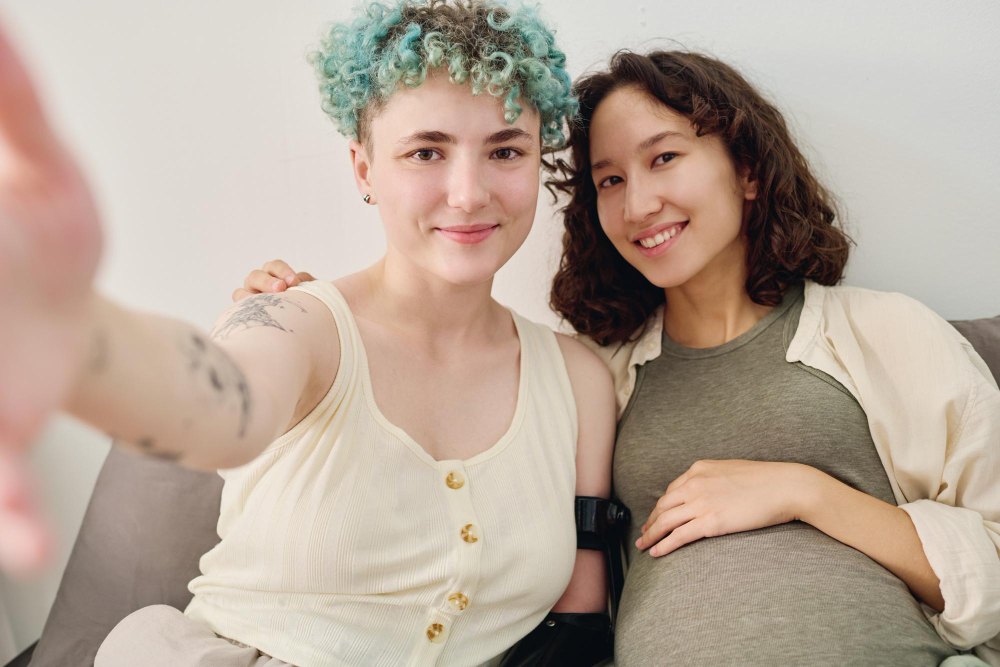
The ROPA method, also called reciprocal or shared-motherhood IVF, is established, evidence-based fertility care that lets both women in a female couple take part biologically, and it is offered abroad by MTA-verified clinics such as the featured providers, with realistic, age-dependent success rates rather than guarantees. If you want to compare accredited options, you can browse verified providers here.
This guide explains what the ROPA method is, how the process works step by step, why many female same-sex couples travel abroad for it, what it costs, and the legal and parentage questions that matter most. The stance here is honest and informational, not promotional. ROPA is real, mainstream assisted-reproduction care built on standard IVF, but no fertility treatment can promise a baby, and outcomes depend heavily on the age of the partner who provides the eggs. The aim is to help you ask good questions and make a well-informed decision alongside a fertility specialist and, where relevant, a lawyer.
Understanding the ROPA Method for Same-Sex Couples
ROPA stands for Reception of Oocytes from Partner. In practice it means one partner provides the eggs and becomes the genetic mother, while the other partner carries the pregnancy and gives birth, becoming the gestational or birth mother. Both women therefore have a direct biological role in creating their child, which is why the method is often described as shared or reciprocal motherhood. The eggs are fertilized in the laboratory using donor sperm, and the resulting embryo is transferred to the carrying partner.
The medical foundation of ROPA is conventional in vitro fertilization, a treatment that has been used successfully for decades and is well understood by fertility teams worldwide. What makes ROPA distinct is not an experimental technique but the way an established process is arranged so that one woman's egg is carried by her partner. Because it relies on standard IVF and embryo transfer, the science is settled and the risks are the familiar ones associated with ovarian stimulation, egg retrieval, and pregnancy, rather than the risks of an unproven therapy.
Success is realistic but not guaranteed, and it depends mainly on the age and ovarian reserve of the egg-providing partner. Couples sometimes choose the younger partner to provide eggs and the other to carry, precisely to give the treatment the best chance. A good clinic will offer honest, age-based counseling, explain per-cycle and cumulative success rates for your situation, and be clear that more than one cycle is sometimes needed. Be cautious of any clinic that quotes a single high success figure without reference to age or individual circumstances.
Why Patients Consider the ROPA Method Abroad
The most common reason couples travel is legal availability. Some countries restrict or do not permit reciprocal IVF for female same-sex couples, whether because assisted reproduction laws limit who may access treatment, because sperm donation rules differ, or because the specific arrangement of one partner's egg carried by the other is not recognized. Where ROPA is unavailable or uncertain at home, couples look to countries where it is openly offered and where clinics have long experience with international patients.
Cost is another factor. In several destinations the total price of a ROPA cycle can be considerably lower than comparable private treatment in higher-cost countries, sometimes a fraction of the cost, while maintaining modern laboratory standards. Many clinics abroad also provide English-language coordination, dedicated international patient teams, and help with scheduling so that time-sensitive steps line up with travel. These practical advantages are real, but availability abroad does not change the underlying biology: success still depends on age and individual factors, and a lower price should never be the only reason to choose a clinic.
Just as important, traveling for care makes legal preparation essential. The fact that a clinic can perform ROPA does not settle how your parentage will be recognized when you return home. That question is separate from the medicine and deserves its own attention, which is covered below.
How the ROPA Process Works Step by Step
Although details vary by clinic, the process usually follows a clear sequence. Understanding it helps you plan travel, because some steps must happen on specific days.
- Consultation and testing: both partners have fertility assessments, including hormone and ovarian reserve testing for the egg provider and a uterine and general health check for the partner who will carry.
- Choosing roles: the couple decides, with medical guidance, who provides eggs and who carries, often informed by age and test results.
- Selecting donor sperm: sperm is chosen from a donor bank according to the clinic's and country's rules.
- Ovarian stimulation and egg retrieval: the genetic mother takes stimulation medication for roughly two weeks, then has eggs retrieved in a short procedure.
- Fertilization and embryo culture: eggs are fertilized with donor sperm in the laboratory and embryos are grown for several days.
- Preparing the carrier and embryo transfer: the birth mother's cycle is prepared with medication so her uterus is ready, then an embryo is transferred in a quick, usually painless procedure.
- Pregnancy test and follow-up: a blood test confirms pregnancy about two weeks later, followed by early monitoring.
What the ROPA Method Costs Abroad
Prices vary widely by country and clinic, but couples should expect a ROPA cycle to fall somewhere in the low-to-mid single digit thousands of US dollars in many destinations, with higher totals where medication, donor sperm, genetic testing, or additional cycles are involved. Reciprocal IVF is almost always self-funded and not covered by insurance, so it is wise to budget for the whole journey, including travel and accommodation for two people across several visits, and to allow for the possibility that more than one cycle may be needed.
Insist on an itemized written quote before committing. A clear quote should separate the consultation and testing, ovarian stimulation medication, egg retrieval, laboratory fertilization and embryo culture, donor sperm, preparation of the carrying partner, the embryo transfer itself, any freezing and storage of extra embryos, and follow-up. Ask what happens, and what it costs, if a cycle does not succeed and you wish to try again. A transparent clinic will give you these figures in writing without pressure.
MTA Verified Providers for the ROPA Method
The clinics below are MTA-verified providers that offer fertility and assisted-reproduction care, including reciprocal IVF, for international patients. Descriptions are general; use them as a starting point and confirm current details, success rates for your age, and legal specifics directly with each clinic.
IVF Life Alicante - MTA Verified
Alicante, Spain
- Location: Alicante, on Spain's Mediterranean coast.
- Focus: fertility and assisted reproduction, including reciprocal (ROPA) IVF, as part of an international fertility group.
- Languages: English, Spanish, and other languages.
- International services: dedicated international patient services with coordination across the group's clinics.
Best for: couples who want an established international fertility group with a well-developed pathway for patients traveling from abroad.
View IVF Life Alicante on Better by MTA
IVF Life Madrid - MTA Verified
Madrid, Spain
- Location: Madrid, Spain's capital, with good international flight connections.
- Focus: fertility and assisted reproduction, including reciprocal (ROPA) IVF, serving international patients.
- Languages: English, Spanish, and other languages.
- International services: support for scheduling and coordination around international travel.
Best for: couples who prefer a capital-city location that is easy to reach and combine with the practicalities of travel.
View IVF Life Madrid on Better by MTA
IVF Life Donostia - MTA Verified
San Sebastian (Donostia), Spain
- Location: San Sebastian, known locally as Donostia, in northern Spain.
- Focus: fertility and assisted reproduction, including reciprocal (ROPA) IVF, serving international patients.
- Languages: English, Spanish, and other languages.
- International services: international patient coordination for couples traveling for treatment.
Best for: couples drawn to a northern Spanish location who still want the resources of a larger fertility group.
View IVF Life Donostia on Better by MTA
InSer Fertility Institute - MTA Verified
Medellin and other cities, Colombia
- Location: Colombia, with locations in Medellin and other cities.
- Focus: fertility and assisted reproduction for national and international patients.
- Languages: Spanish and English.
- International services: care pathways designed to accommodate patients arriving from abroad.
Best for: couples considering Latin America who want a clinic experienced with both local and international patients.
View InSer Fertility Institute on Better by MTA
Azul Fertility Experts - MTA Verified
Mexico
- Location: Mexico, convenient for patients traveling from North America.
- Focus: fertility and assisted reproduction with international patient coordination.
- Languages: English and Spanish.
- International services: coordination tailored to international patients throughout the treatment journey.
Best for: couples who want a Mexico-based option with dedicated support for those traveling internationally.
View Azul Fertility Experts on Better by MTA
Comparing These Providers
The Spanish clinics belong to an international fertility group and may suit couples who value a well-established cross-border pathway, while the Colombian and Mexican options can appeal to couples looking at Latin America, often with shorter travel from the Americas. None of these differences should decide the matter on their own.
Compare each clinic on the honesty of its age-based counseling, the transparency of its written quotes, the specifics of its laboratory and success reporting, and how clearly it explains the legal side of ROPA in that country. The right clinic is the one that gives you realistic expectations and answers your legal and parentage questions directly.
Planning Your ROPA Method Trip Abroad
Careful planning makes reciprocal IVF less stressful and helps both partners feel prepared. Keep these points in mind as you organize the journey.
- Involve a fertility specialist early, and ask for realistic, age-based counseling on your likely success per cycle and cumulatively before you travel.
- Bring full medical records for both partners, including any prior fertility testing, so the clinic can plan accurately and avoid repeating work.
- Get proper legal advice about how your parentage will be recognized at home, since laws on ROPA and same-sex parentage vary by country and by your home country.
- Set realistic expectations together: IVF does not guarantee a baby, more than one cycle is sometimes needed, and outcomes depend on age and individual factors.
- Plan the practicalities, including time off, travel and accommodation for two people, medication schedules, and follow-up care once you are home.
How to Choose the Right ROPA Method Provider
Choosing a clinic is about trust and transparency as much as price or location. Weigh these factors as you compare options.
- Look for a clinic that offers honest, age-based success counseling and is willing to explain both per-cycle and cumulative outcomes for your specific situation.
- Confirm that reciprocal IVF is clearly legal and routinely performed in that country, and ask the clinic how the arrangement is documented locally.
- Seek independent legal advice on recognition of both mothers' parentage in your home country, and ask the clinic what paperwork it can provide to support that recognition.
- Insist on an itemized written quote and clear information on what happens if a cycle does not succeed, and be wary of any clinic promising guaranteed results.
- Check the quality of communication and international patient support, and when you are ready to compare options side by side, get a free quote through Better by MTA.
Ready to Explore the ROPA Method with Confidence?
The ROPA method offers female same-sex couples a meaningful way to share biological parenthood through established IVF care, and traveling abroad can make it accessible, affordable, and well supported. The key is to gather solid information, involve your own fertility specialist, secure clear legal advice about parentage at home, and hold realistic, age-based expectations. Approached that way, reciprocal IVF becomes a considered choice rather than a leap of faith.
Better by MTA helps you compare verified providers, request quotes, and coordinate care with confidence, powered by Mastercard payment infrastructure and compliant with HIPAA, GDPR, and SOC 2 standards, so your information and payments are handled securely from first inquiry to follow-up.
By Jonathan Edelheit, CEO and Co-Founder, Medical Tourism Association. Last updated August 2026.

.png)


